From Royal Patronage to Shared Stewardship
The Changing Landscape of Art Patronage in Thailand.
Bangkok Art City
จากพระบรมราชูปถัมภ์ สู่การร่วมดูแลของสังคม
ภูมิทัศน์ที่เปลี่ยนแปลงไปของการอุปถัมภ์ศิลปะในประเทศไทย
ทีม BAC

ศิลปะ
Can a work of art truly be the creation of a single artist?
The answer may seem obvious. But when we look back at the history of art around the world, the answer has rarely been so simple.
Behind a painting, a Khon performance, or a single piece of silk, there is never only the creator. There are teachers and mentors, communities, collectors, scholars, curators, and those who recognize the value of something long before that value is widely acknowledged.
Art, therefore, has never survived through the genius of artists alone. It also depends on what art historians call patronage, a system of support that allows beauty to emerge, develop, and be passed from one generation to the next.
If the artist creates the work, patronage creates the conditions that allow the work to endure.
Royal Patronage: When Patronage Becomes Cultural Capital
In Thailand, the development of art patronage has been particularly shaped by the role of the monarchy—not simply as a source of patronage, but through the laying of foundations for what we might now call cultural infrastructure.
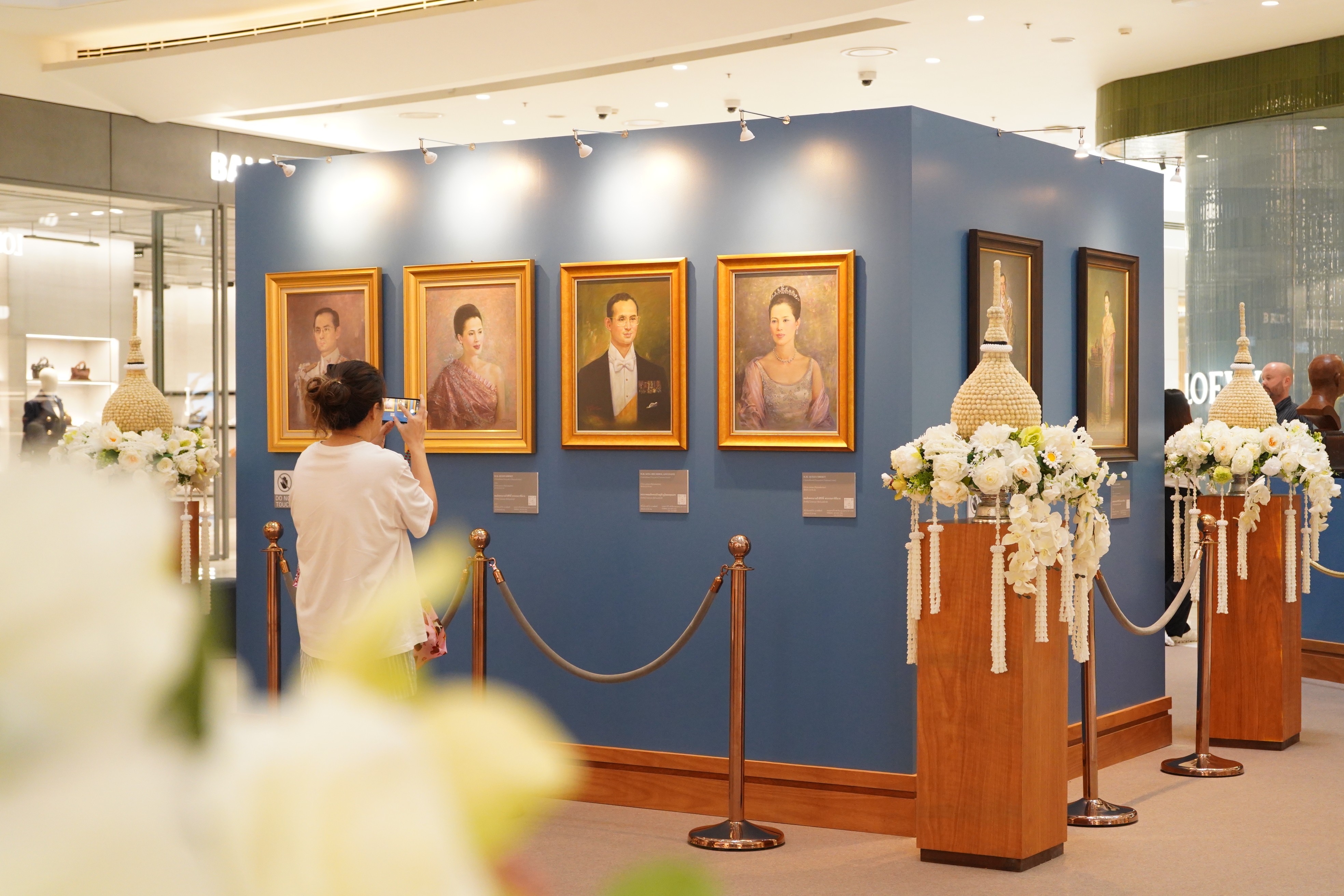
Looking at initiatives such as the SUPPORT Foundation, the revival of Khon, the promotion of Thai classical music, the recognition and elevation of master artisans, and the documentation of traditional craftsmanship, it becomes clear that these royal initiatives were not concerned solely with preserving art.
They also sought to transform artistic knowledge and local wisdom, once dispersed across different communities, into cultural resources that people throughout Thailand could access, learn from, and take pride in together—fostering a sense of cultural belonging.
This is more than the preservation of a heritage from the past. It is the creation of cultural capital for society.
Beauty Beyond Tradition
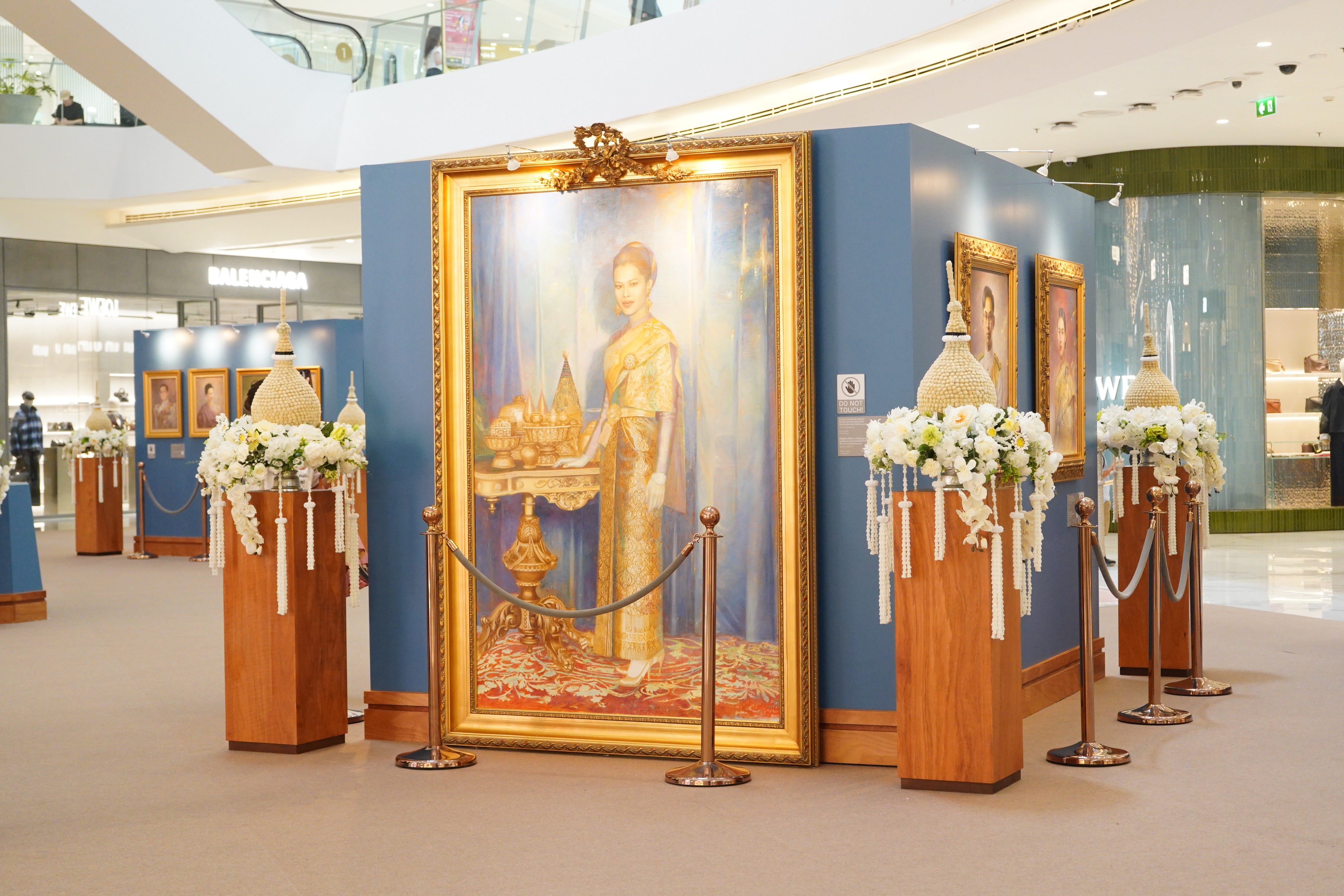
During an interview held as part of the exhibition Sirikhattiyakasat: Duang Jai Rak Haeng Phaendin, presented from 3–8 August at Thara Hall, M Floor, ICONSIAM, Emeritus Professor Panya Vijinthanasarn spoke about how Her Majesty Queen Sirikit The Queen Mother chose to wear Thai textiles during her visits abroad.
This was not simply a matter of introducing newly designed garments. It was an act of giving new meaning to traditional craftsmanship, allowing Thai textiles to emerge as a representation of Thai identity on the world stage.
Later, campaigns encouraging the return of Thai textiles and traditional dress to everyday life further opened up space for people to interpret cultural heritage freely. What was once regarded as “traditional” was no longer something to be preserved solely within museums; it could continue to live within contemporary society.
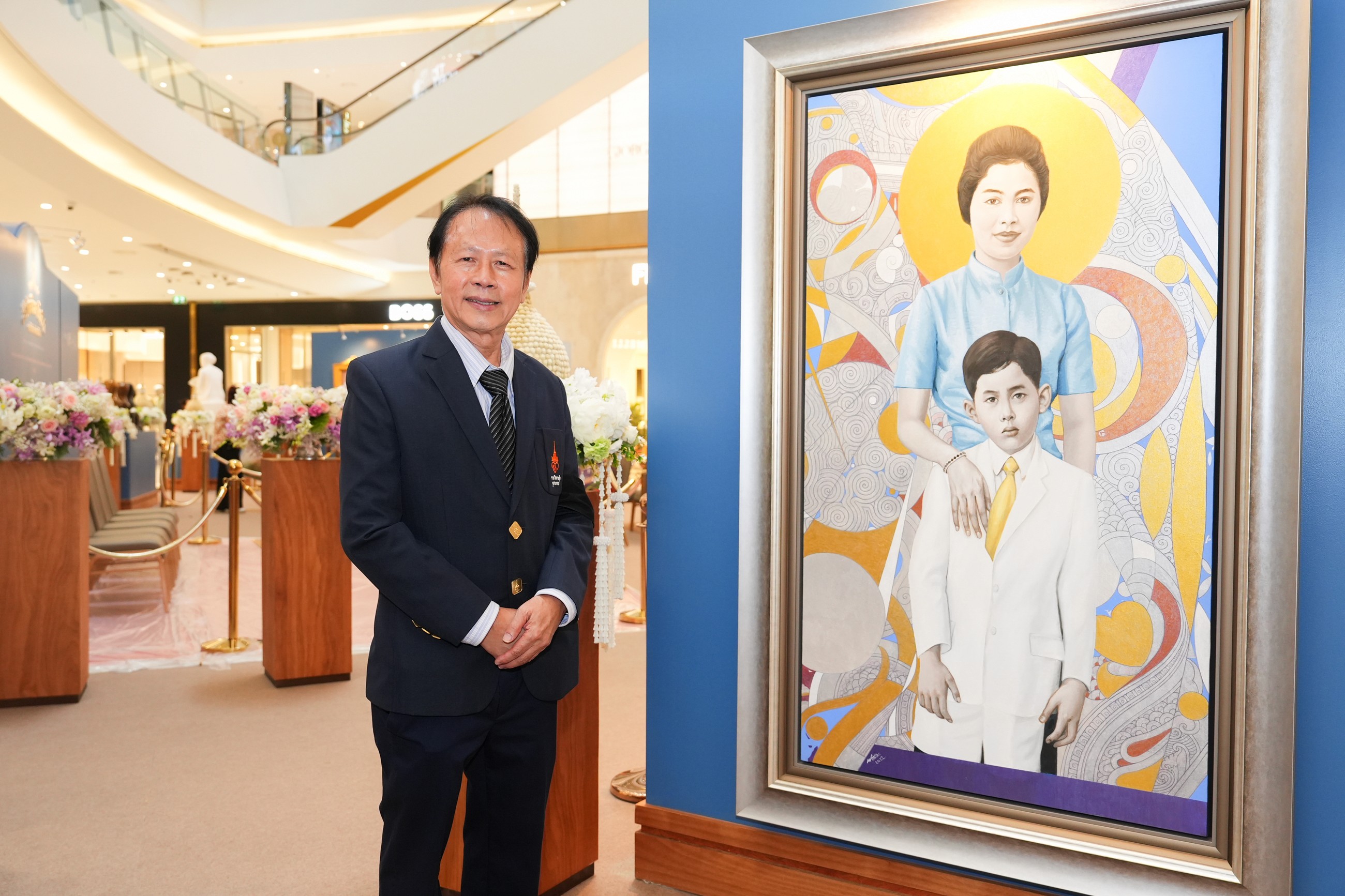
Professor Panya also offered an insightful reflection on the value of Thai art:
“The value of art is universal. The distinctiveness and specificity of Thai art reflect the way of life and character of the Thai people. The goodness and virtues of humanity are also reflected through these creative expressions. At its heart, Thai art embodies the delicacy and refinement of human beings and nature, something that everyone can access. Thai art can therefore communicate directly with audiences from every culture, and that is what makes it universal.”
This observation invites us to reconsider the value of Thai art. Its significance does not lie solely in its Thai-ness, but in an aesthetic sensitivity capable of crossing cultural boundaries.
“As people gain more experience and encounter art from a wider range of civilizations, they often return to look more closely at the value of their own cultural roots. They discover that the refinement and delicacy of Thai art is one of the important aesthetic legacies of world civilization.”

From Royal Patronage to Shared Stewardship
As systems of art patronage have developed, this role has no longer been limited to traditional institutions. The realm of patronage has expanded to include museums, universities, cultural organizations, and private-sector organizations that recognize art as a cultural resource and seek to carry the same spirit forward within a contemporary social context.
Together, these sectors create spaces where art can communicate with society. An exhibition is not simply a place where artworks are displayed. It is a space where audiences can connect with history, memory, and cultural values through shared aesthetic experiences.
The decision to bring these significant works together for Sirikhattiyakasat: Duang Jai Rak Haeng Phaendin—one of many ongoing arts and cultural initiatives presented by ICONSIAM—also demonstrates that the role of the private sector extends beyond simply supporting an exhibition.
It is part of an ecosystem that enables art to continue serving a role in society, while creating opportunities for appreciation and engagement with art to reach new generations of audiences.
Art patronage in the twenty-first century, therefore, is no longer the responsibility of any single individual or institution. It is a shared effort among all sectors that recognize the value of our cultural heritage.
Shared Stewardship
Over more than two centuries, systems of art patronage in Thailand have generated immense cultural capital for society—from craftsmanship and traditional arts to performing arts, music, literature, and even how we perceive beauty in everyday life.
This heritage does not sustain itself.
It survives because people in every generation choose to care for it, reinterpret it, and pass it on.
Sirikhattiyakasat: Duang Jai Rak Haeng Phaendin is therefore not simply a gathering of works of great cultural value. It also invites audiences to ask a more personal question: now that this artistic and cultural heritage has been passed into our hands, how will we take part in caring for it and passing it forward?
As Emeritus Professor Panya Vijinthanasarn said during the interview:
“Art is the responsibility of artists, but caring for it and passing it on is the responsibility of everyone.”
If Royal Patronage laid the foundations of Thailand’s artistic ecosystem, then Shared Stewardship is its future.
Because ultimately, cultural heritage remains alive not because it was created by only a few extraordinary individuals, but because an entire society is willing to take it forward, care for it, and create new meanings for it in every generation.
Note
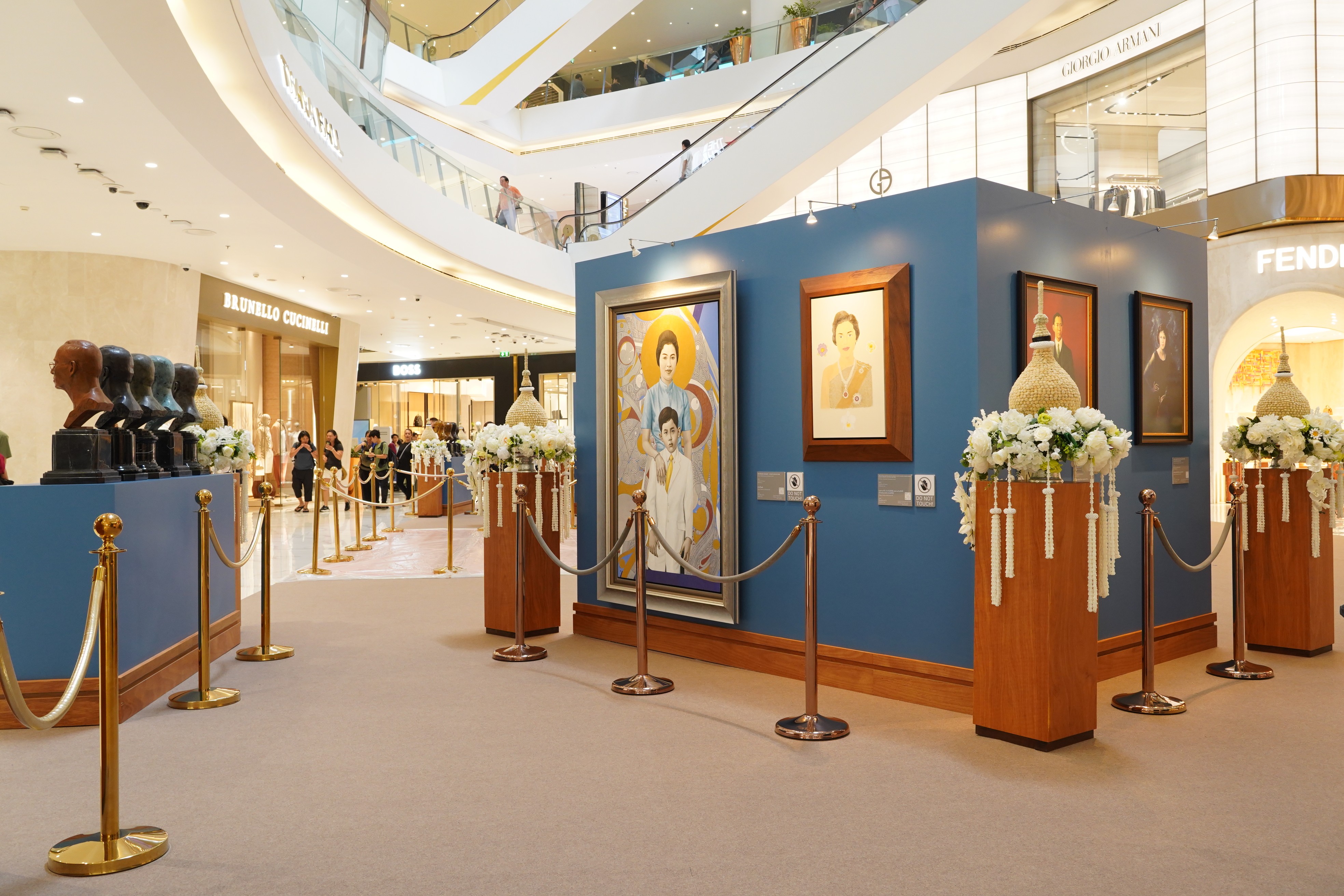
This article was developed from ideas that emerged during a visit to the exhibition Sirikhattiyakasat: Duang Jai Rak Haeng Phaendin, presented from 3–8 August 2026 at Thara Hall, Walk Way, and Arts Way, M Floor, ICONSIAM, as well as from an interview with Emeritus Professor Panya Vijinthanasarn conducted as part of the exhibition.
The article is also part of a collaboration between Bangkok Art City and ICONSIAM, reflecting a shared commitment to promoting and supporting art and culture, and to creating opportunities for the public to access cultural heritage through contemporary experiences.
MORE STORIES
The Art of Thai Cuisine: Chef Ian Kittichai’s Culinary Canvas
By Aina Rita Swartz
ศิลปะแห่งอาหารไทย: ผืนผ้าใบแห่งการสร้างสรรค์ของเชฟเอียน กิตติชัย
โดย ไอน่า สริตา สวอร์ทส์
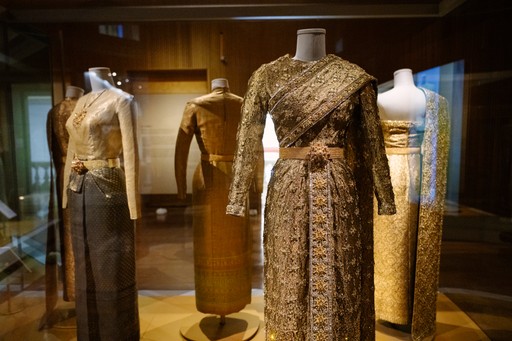
Decades of Style: Exploring Queen Sirikit’s Legacy of Fashion at the QSMT
By Aina Sarita Swartz
สิริราชพัสตราบรมราชินีนาถ: สำรวจมรดกแฟชั่นของสมเด็จพระบรมราชชนนีพันปีหลวง ณ พิพิธภัณฑ์ผ้าในสมเด็จพระนางเจ้าสิริกิติ์ พระบรมราชินีนาถ
โดย ไอน่า สาริตา สวาร์ตซ์
How to Have a Scandinavian Christmas
By Aina Sarita Swartz
วิธีฉลองคริสต์มาสแบบชาวสแกนดิเนเวีย
โดย ไอน่า สาริตา สวาร์ตซ์
Centre Stage: Khun Kob Songsit on Life, Art, and Musical Magic
By Aina Sarita Swartz
คุณกบ ทรงสิทธิ์ กับชีวิต ศิลปะ และมนต์เสน่ห์ของละครเพลง
โดย ไอน่า สริตา สวอร์ทล์
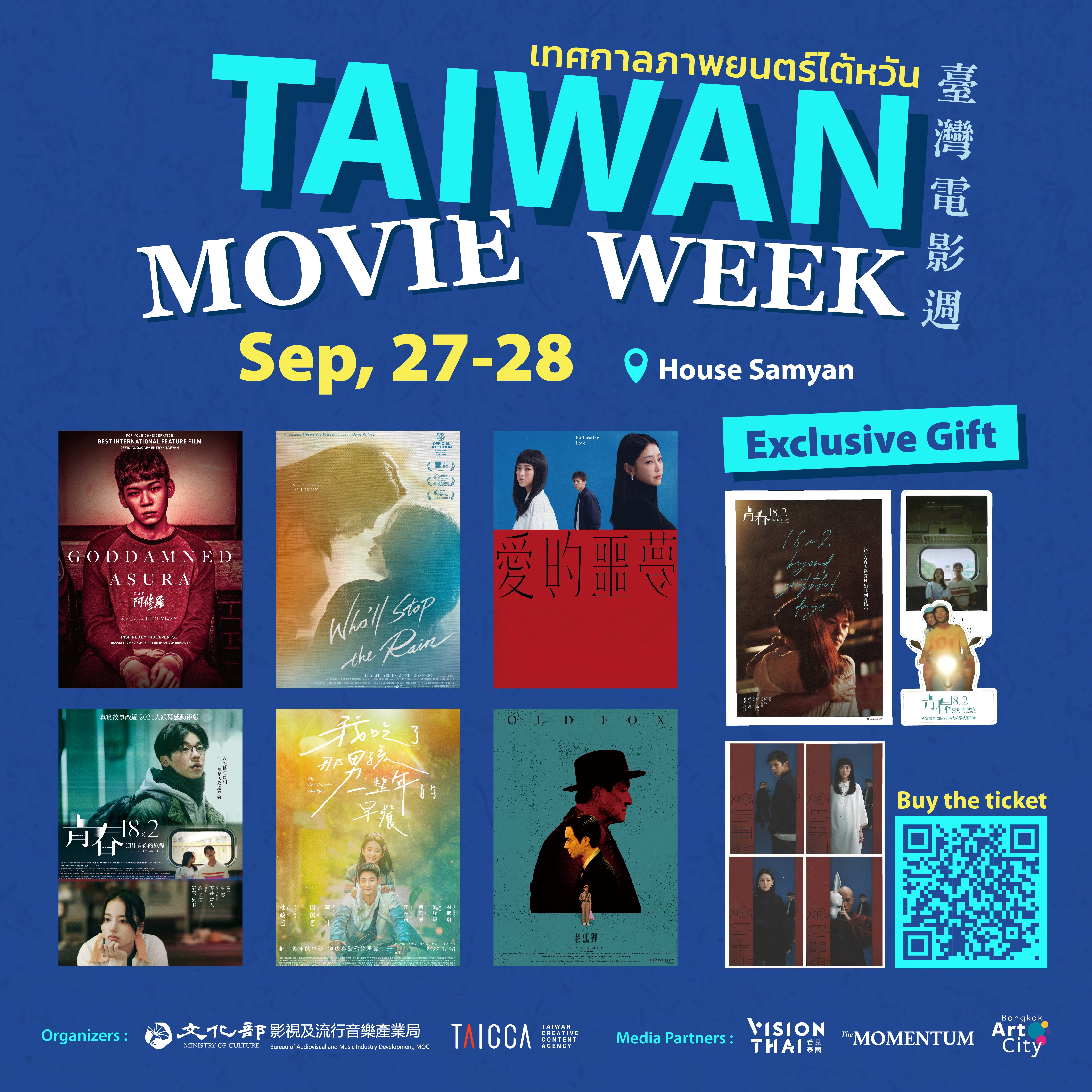
Unlocking the Secrets Behind Taiwan's Film Success with the Creative Forces Behind Its Global Sensation
ถอดรหัสความสำเร็จหนังไต้หวันกับผู้ที่อยู่เบื้องหลังความสนุกป่วนโลก
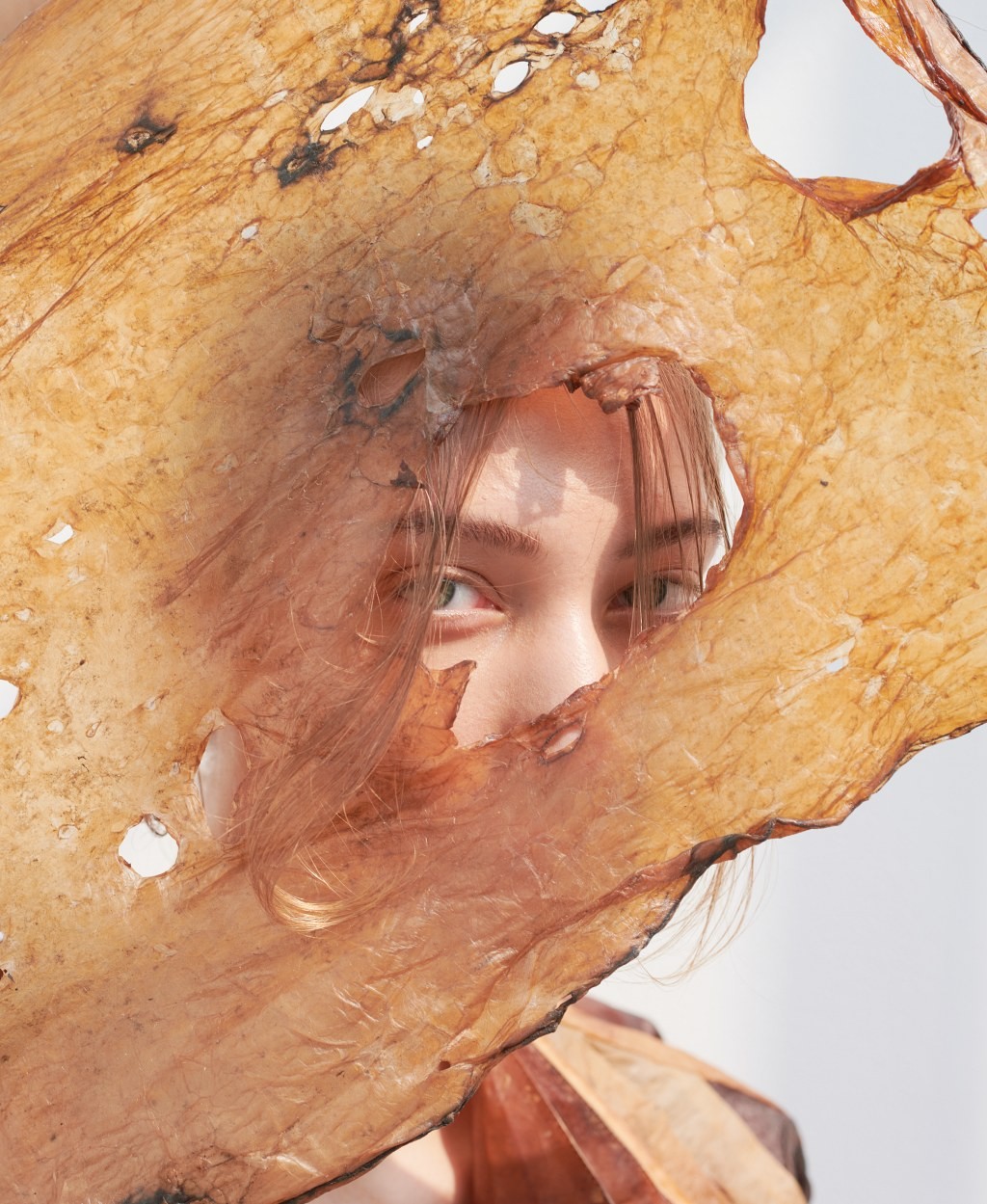
Creating Innovative Textile Substitutes from the Use of ‘Soil’
Text by Dr. Khajornsak Nakpan
การสร้างสรรค์นวัตกรรมวัสดุสิ่งทอทดแทนจากการใช้ “ดิน”
โดย ดร. ขจรศักต์ นาคปาน
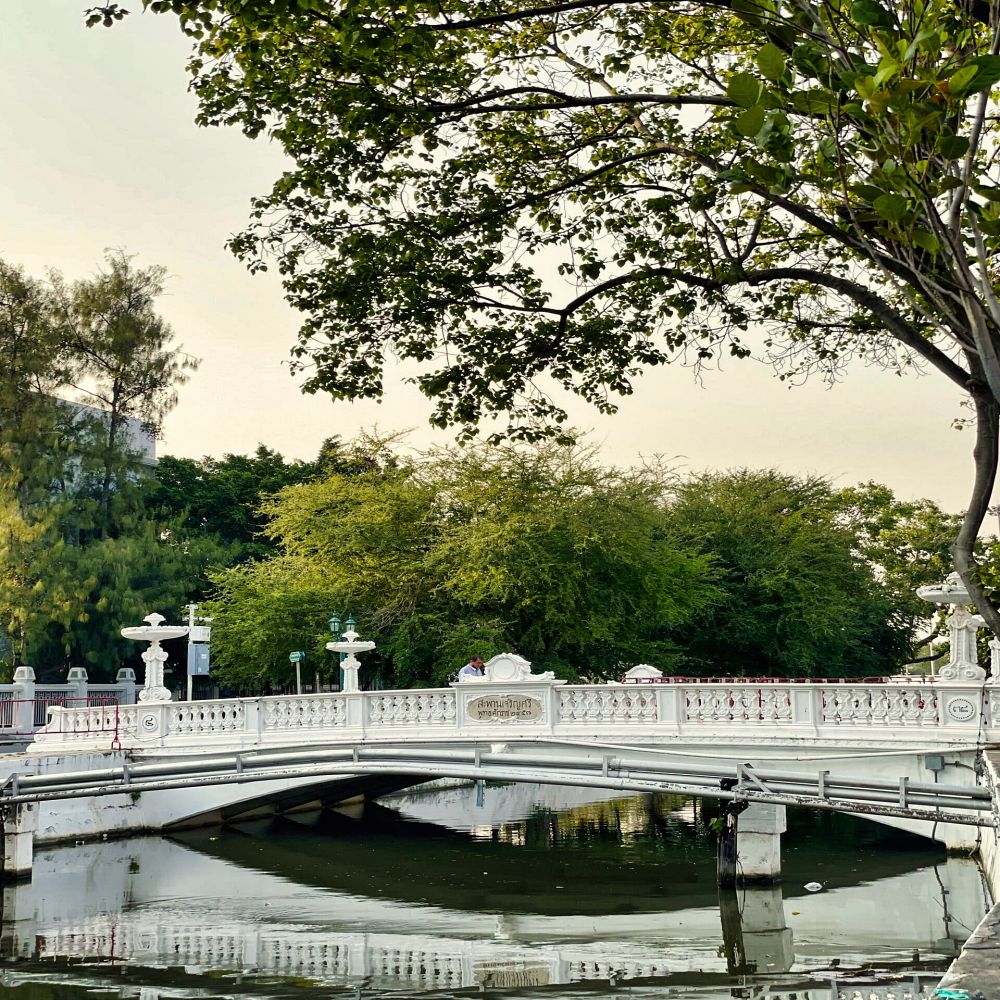
Bangkok with Elle
Elle
Bangkok with Elle
Elle
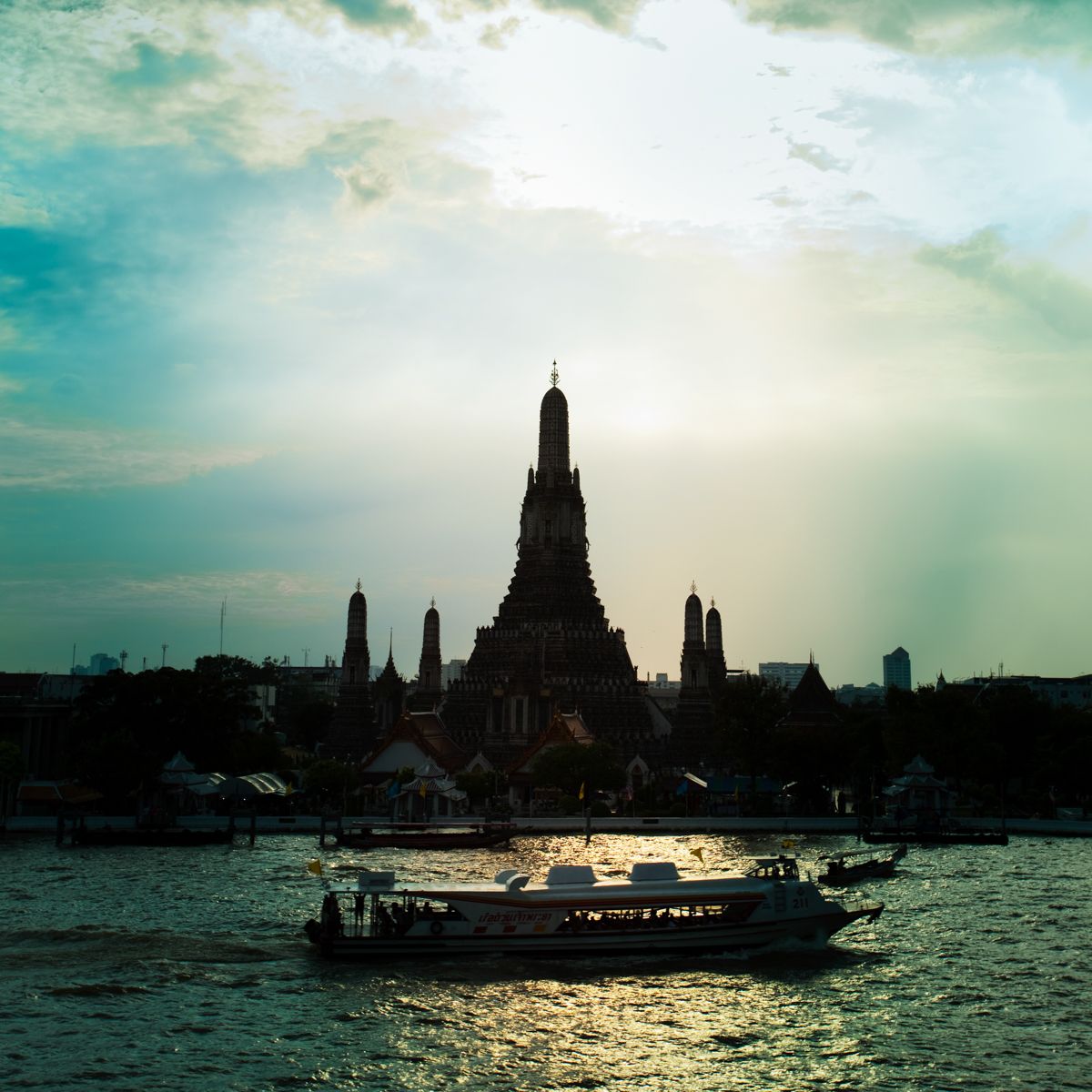
Photo Essay BAC x RPST
Words by RPST & BAC EDITORIAL
Photo Essay BAC x RPST
โดย RPST และ BAC EDITORIAL