The Art of Thai Cuisine: Chef Ian Kittichai’s Culinary Canvas
Where Culinary Tradition Meets Creative Expression
By Aina Rita Swartz
ศิลปะแห่งอาหารไทย: ผืนผ้าใบแห่งการสร้างสรรค์ของเชฟเอียน กิตติชัย
โดย ไอน่า สริตา สวอร์ทส์
อาหาร
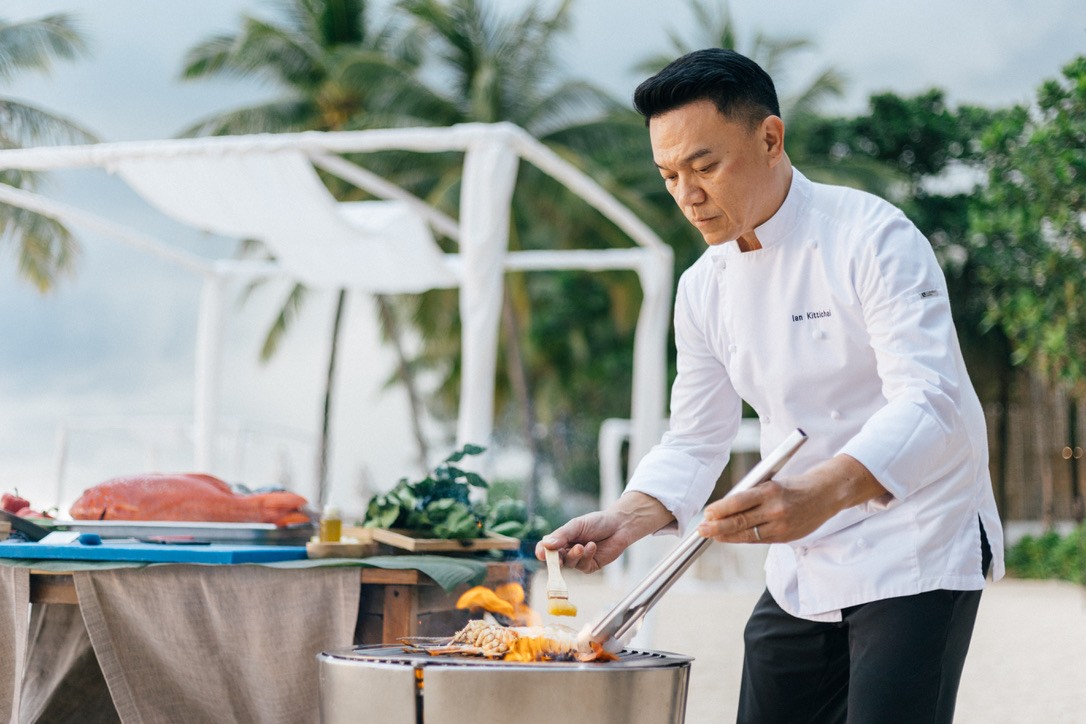
In the world of upscale dining, food is more than sustenance — it is an art form. And when it comes to Thai food, few chefs have done as much to elevate Thai cuisine on the global stage as Chef Pongtawat “Ian Kittichai” Chalermkittichai. From humble beginnings in Bangkok, where he helped his mother sell curries from a pushcart, to becoming the first Thai national to serve as Executive Chef of a five-star hotel, his journey is a testament to talent, perseverance, and -- above all -- an unwavering passion for food.
Having trained in London, Sydney, and Paris, Chef Ian honed his skills in some of the world’s most celebrated fine-dining establishments, including Le Cinq in Paris, The French Laundry in Napa Valley, and El Bulli in Spain. His unique approach utilises both classical European methodology and traditional Thai techniques and flavours, a style that has become his signature in award-winning restaurants across Bangkok, New York, Singapore, and beyond.
In Thailand, Issaya Siamese Club — his renowned restaurant, housed in a 120-year-old historical home — has been a regular on Asia’s 50 Best Restaurants list since it opened in 2011. He has also introduced innovative Thai dining experiences through Khum Hom at Mövenpick BDMS Wellness Resort (where we sat down to interview the chef!), Akanee in Bangkok, and his latest project, Anaalā at Iniala Beach House in Phuket. Beyond the kitchen, he has made his mark as a judge on MasterChef Thailand and Hell’s Kitchen Thailand, and also serves as a founding council member of the World Street Food Congress.
In this exclusive interview with Bangkok Art City, Chef Ian reflects on his culinary journey, the philosophy behind his food, and the artistic expression that can be found in cooking.
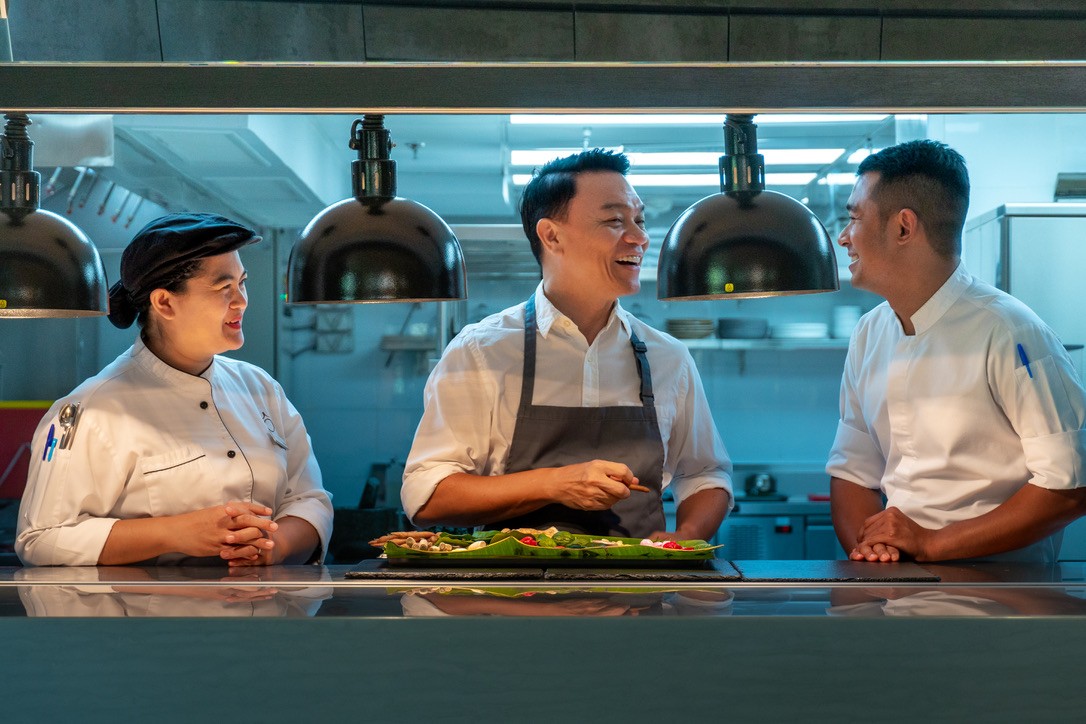
Thai cuisine is deeply rooted in tradition but also allows room for creativity. How do you balance honoring cultural authenticity while innovating and pushing culinary boundaries?
You have to master a cuisine before you can push the boundaries -- you have to learn as much as you can about the techniques and flavours before you can make them your own.
Still, fundamentals are fundamentals -- for example, take the Sam Glur building block of many Thai dishes - coriander root, white pepper, garlic. There is a reason we have done things a certain way -- it is because this is the best way to get the aromatics and flavours out. Our ancestors figured that out for us.
After a chef or cook masters these fundamentals, there is then of course room for self expression using one’s own life experiences. This is how all cuisines constantly incorporate change throughout history. Chillis, for example, do not originate from Thailand -- but they are a staple in Thai cuisine.
I never want to stop learning; I always push myself to keep learning, to keep improving, because if you stop learning, you just stand still. While most chefs are either chef de cuisines focusing on savouries or pastry chefs focusing on desserts, I really wanted to do both. I became a partner in and Culinary Director of the Spot Dessert Bar in New York in 2011 and did a complete overhaul of its entire menu, creating new desserts that allowed me to innovate in the pastry field and grow this aspect of my culinary knowledge. Now, my business partners and I are planning to have 10 Spot Dessert Bars in New York by the end of the year!
There is always something new to learn when it comes to cooking. But after you get to a certain point in the restaurant industry, the only way you can keep cooking the way you want to is to open your own restaurants. This is why I keep opening new restaurants -- I want to keep cooking and keep innovating!
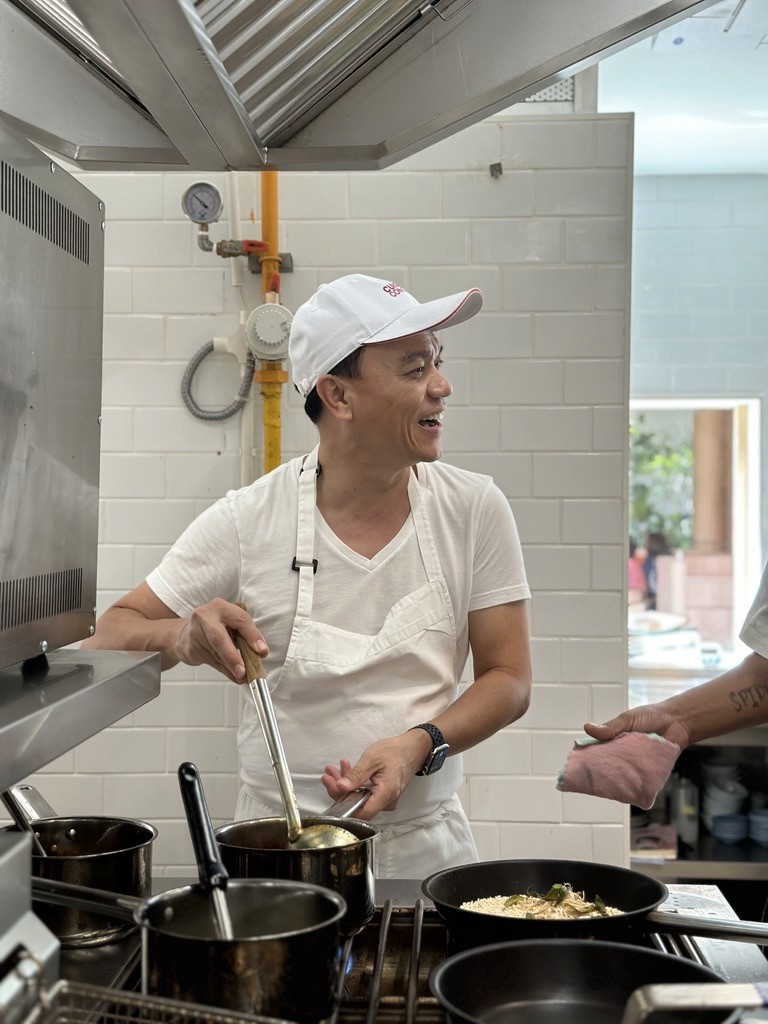
Having trained and worked in culinary capitals like London and New York, how have these experiences shaped your artistic approach to Thai cuisine, and how do you incorporate global influences while staying true to your roots?
I always want to learn new things, see new things -- I believe most chefs do. It makes you think about how you view the world, your food, and yourself. It inspires you in how you cook and what you can do with your ingredients.
For example, in the US, they love baby back ribs. It is not a cut or preparation that is super popular in Thai cuisine traditionally, but when I opened my first restaurant in New York, I liked the protein and incorporated it into a Thai dish. To this day, on many of my different restaurant menus -- regardless of whether they’re in the US or Asia -- I have my baby back ribs on the menu, as the protein just works so well with Thai flavours.
I also want to keep exploring new avenues of food as well. For example, later this year I will be designing a wellness-centred menu for a hotel in Malta, focusing on organic, vegan, and gluten-free dishes with little to no refined sugar. I also embrace new types of foods and diets in my personal life -- I am very health-conscious and believe in the importance of one’s physical well-being on their general quality of life. I practice intermittent fasting, and while this is sometimes hard when I am travelling so often, when it is possible I aim to fast 16 hours per day a few times a month. For me, I find that this always helps the state of my mind and body.
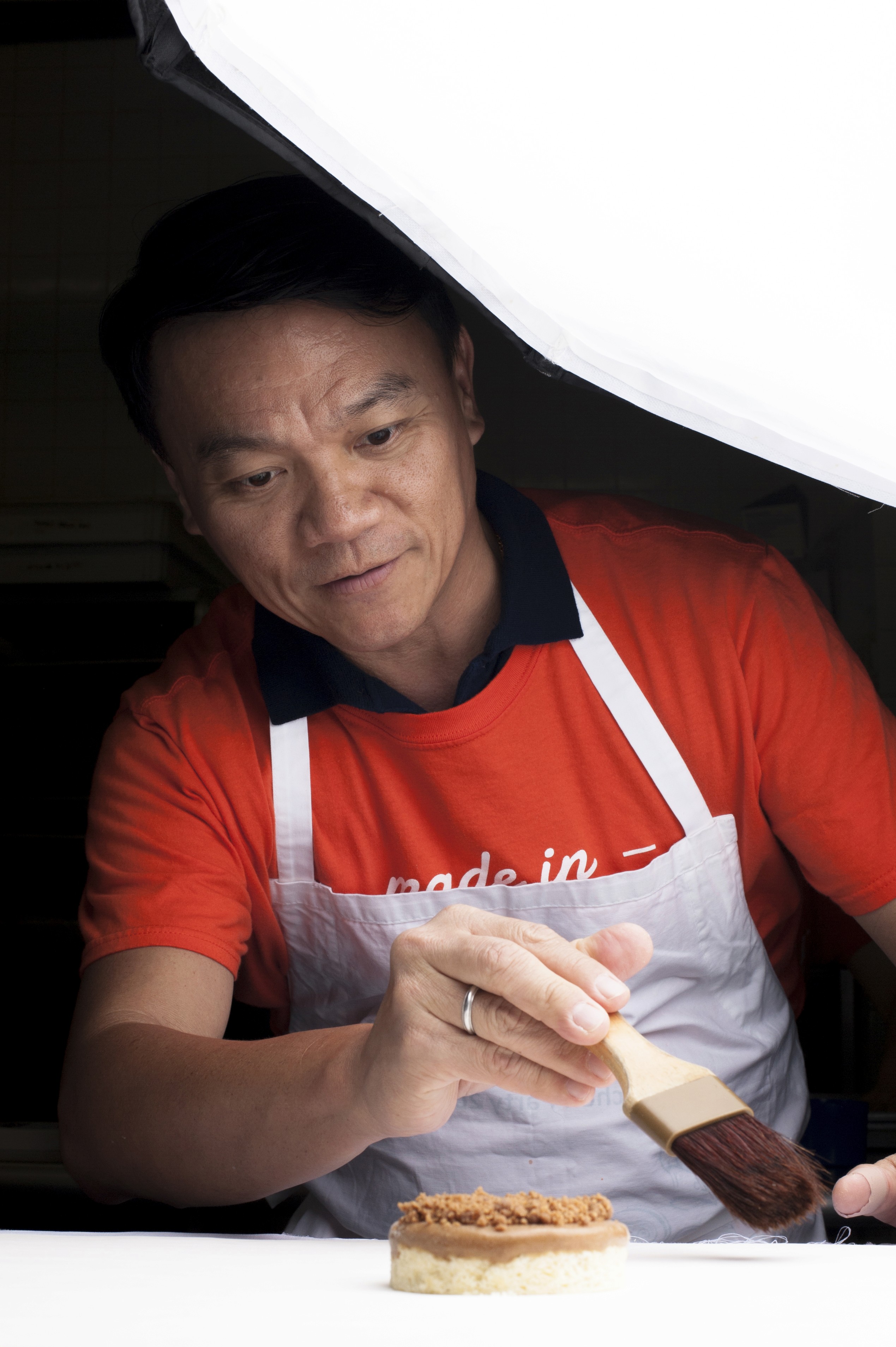
Food presentation is an art in itself. In your perspective, how can different types of plating tell different types of stories?
Plating and presentation is always a part of the dining experience. It can signal a lot about the philosophy of the restaurant and the food that it serves. For me, I am open to all types of plating and presentations, as it is part of the meal experience. You have to look at the different components, and try to bring them together on a plate in the most appealing way possible.
For example, my signature Kanom Dok Mali (Jasmine Flower Dessert) is plated in a traditionally European way, but using Thai components -- we have the jasmine panna cotta served with a salted coconut ice cream, and then instead of a crumble (usually made from flour, sugar, and butter) under the ice cream, we use a Krayasad crumb instead (sticky rice, sesame, coconut, nuts). For the drizzle, we use a salted gasai (palm sugar) sauce instead of a traditional salted caramel. I visualize the components in my mind and then transfer them to the plate, keeping the flavours and textures in mind.
Do you have any fun stories about Thai cuisine, or about your past culinary career?
I started cooking with my mom and helping her with her green grocery and food cart as a kid, so I learned many lessons and stories about Thai cuisine from her, and from making my own mistakes as well. I remember cutting chilli peppers and burning my face and hands so bad I had to rush to the restroom to wash up, and I remember making our coconut milk over an open fire, squeezing the milk out until my hands were sore.
I started in a Western kitchen as a pot washer in the Waldorf Hotel in London, and worked my way up through hotels and stand-alone restaurants in the UK, Australia, and Thailand. Even though I have lived all over the world, I have to say that I love living in Thailand -- I feel most at home here in Bangkok, walking down these streets.
For all of my international experience, all of it is hard work. But being a chef is a lot of work -- I still work 12-to-15-hour days usually, sometimes more. I just finished filming the finale of MasterChef Thailand (to be aired in June), and I didn’t get home until 2am last night!
So it is hard work, but you are always active and on-the-move; you’re always learning and interacting with different types of people. It is very inspiring!
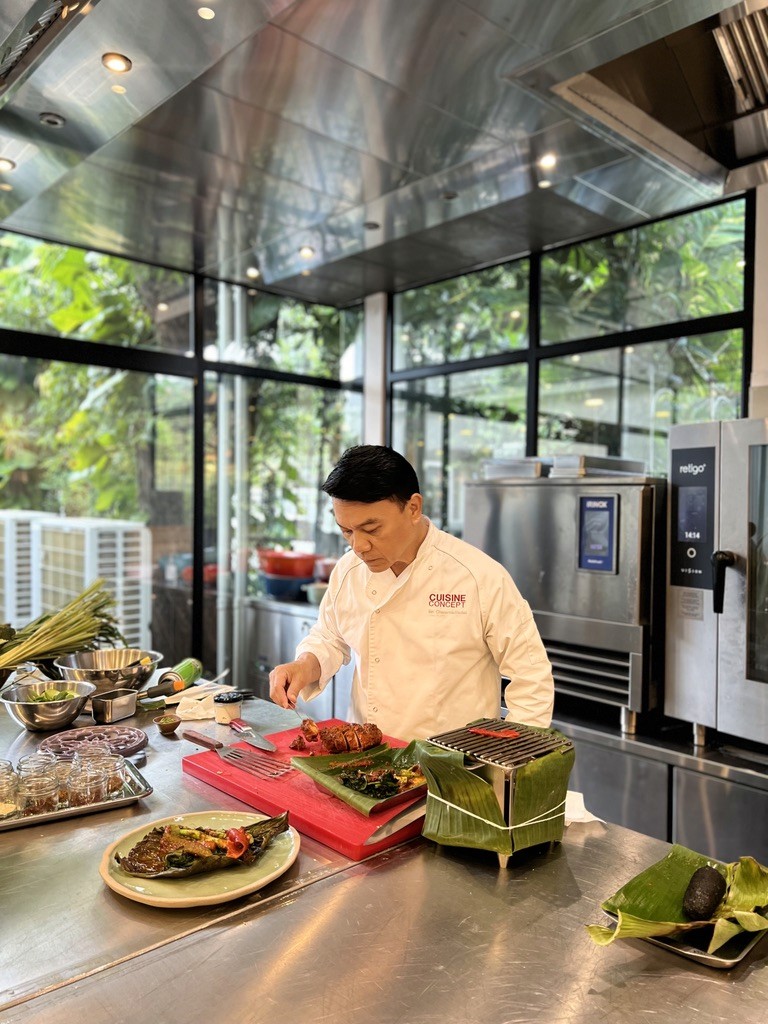
Are there any new ingredients that you are excited about right now?
I am really interested in finding quality ingredients. For me, I think the quality of the ingredients you have is more important than the price -- they don’t have to be the fanciest or most expensive ingredients, but quality is really what I am looking for.
I am not too bothered about “star-quality” -- instead of hundreds of dollar’s worth of truffles or caviar, I would rather have something good, fresh, and well-cooked. For a dish to work, it really only needs to be those three things from the ingredients -- good, fresh, and well-cooked.
For example, for a cut of beef, it doesn’t need to be the most expensive, fancy cut, but for me, as long as its underlying quality is great, I can still make it into something amazing, special, and delicious for my guests.
When I was working at The French Laundry in Napa Valley, California, we went to a farm near the restaurant for our ingredients. At this farm, there was a fig tree. The roots of this fig tree were from France, but the top part of the plant had grown in Napa. The French roots could handle a lot of water (as it had grown in French soil, which is different from the soil in Napa), and once they brought it over to Napa it became its own creation. So it is not so much about finding new, trendy ingredients, but instead knowing how to use the ingredients you do have in front of you!
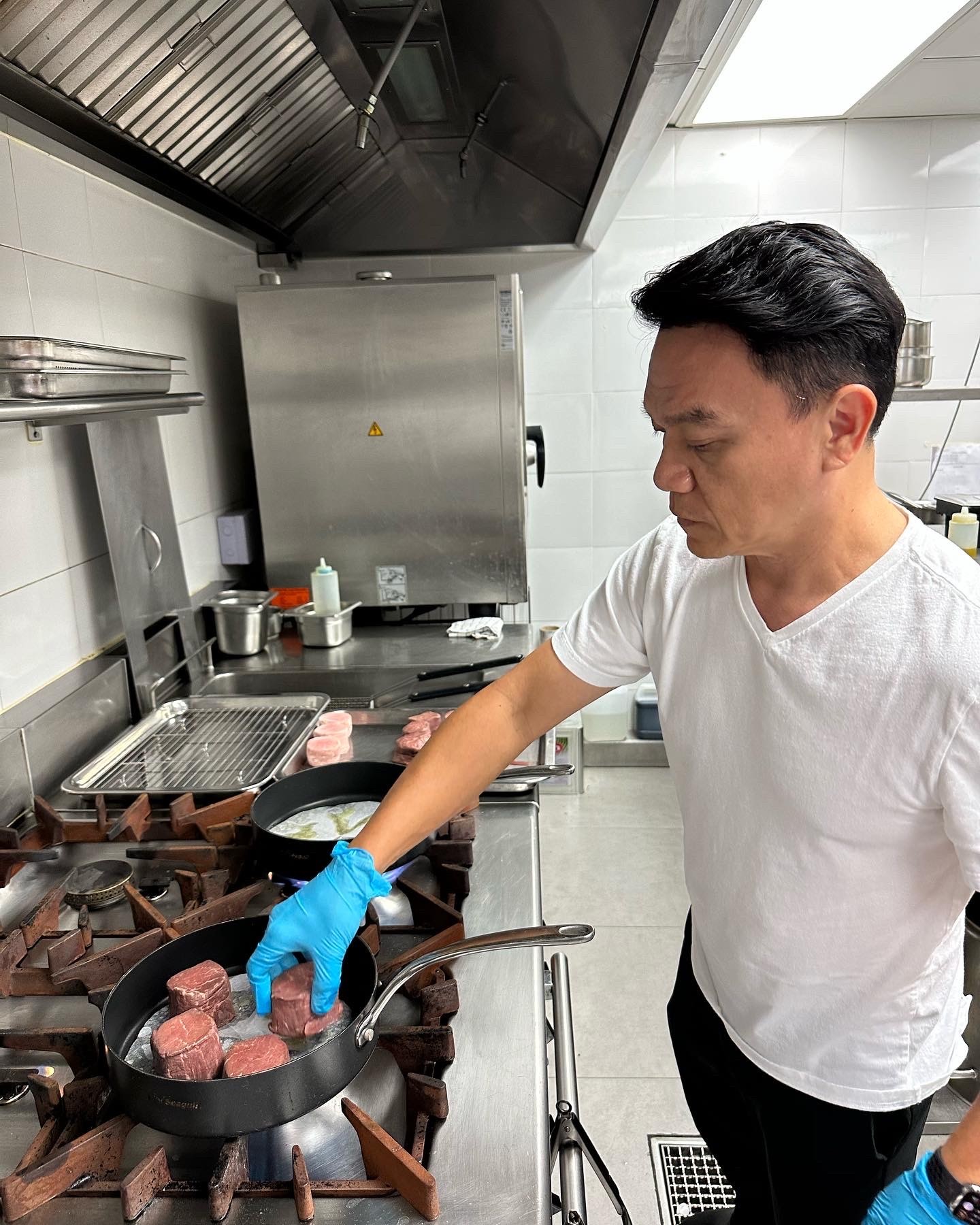
From a young boy selling home-cooked curries in Bangkok to an internationally celebrated chef, Chef Ian’s story is one of resilience, inspiration, and a deep-seated love of food. His commitment to honoring Thai flavours while pushing culinary boundaries has reshaped perceptions of Thai cuisine worldwide. Through his globally-renowned restaurants like Issaya Siamese Club in Bangkok, Kittichai Restaurant in New York, and Anaalā in Phuket, he continues to celebrate the richness of Thai ingredients, culture, and history in innovative ways.
As he expands his culinary footprint both in Thailand and abroad, Chef Ian remains a passionate ambassador of Thai gastronomy. Whether through the floral elegance of Issaya Siamese Club’s garden-inspired plates or the fire-kissed intensity of Anaalā’s open-flame grilling, his food is a form of culinary artistry that bridges tradition and contemporary creativity.
His work reminds us that food, like any art, has the power to inspire, to challenge, and to transport. And for those who have the privilege of dining at one of his restaurants, each meal is not just a feast for the palate — but a masterpiece in its own right!
MORE STORIES

From Royal Patronage to Shared Stewardship
Bangkok Art City
จากพระบรมราชูปถัมภ์ สู่การร่วมดูแลของสังคม
ทีม BAC
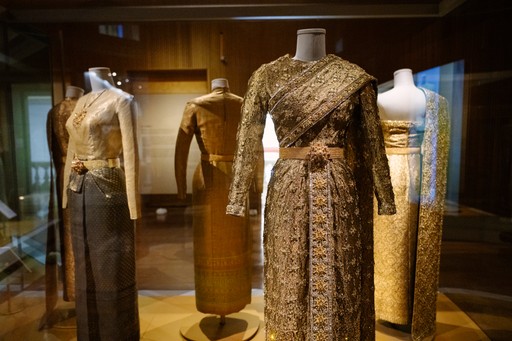
Decades of Style: Exploring Queen Sirikit’s Legacy of Fashion at the QSMT
By Aina Sarita Swartz
สิริราชพัสตราบรมราชินีนาถ: สำรวจมรดกแฟชั่นของสมเด็จพระบรมราชชนนีพันปีหลวง ณ พิพิธภัณฑ์ผ้าในสมเด็จพระนางเจ้าสิริกิติ์ พระบรมราชินีนาถ
โดย ไอน่า สาริตา สวาร์ตซ์
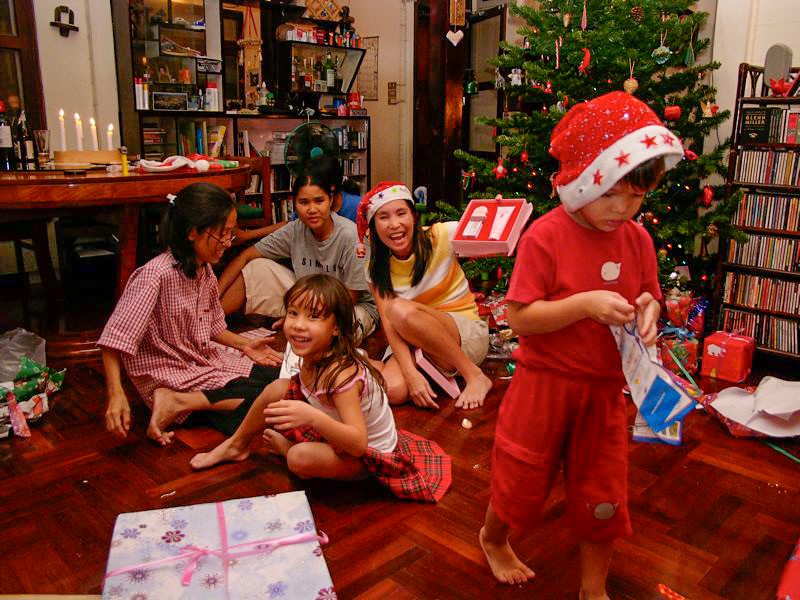
How to Have a Scandinavian Christmas
By Aina Sarita Swartz
วิธีฉลองคริสต์มาสแบบชาวสแกนดิเนเวีย
โดย ไอน่า สาริตา สวาร์ตซ์
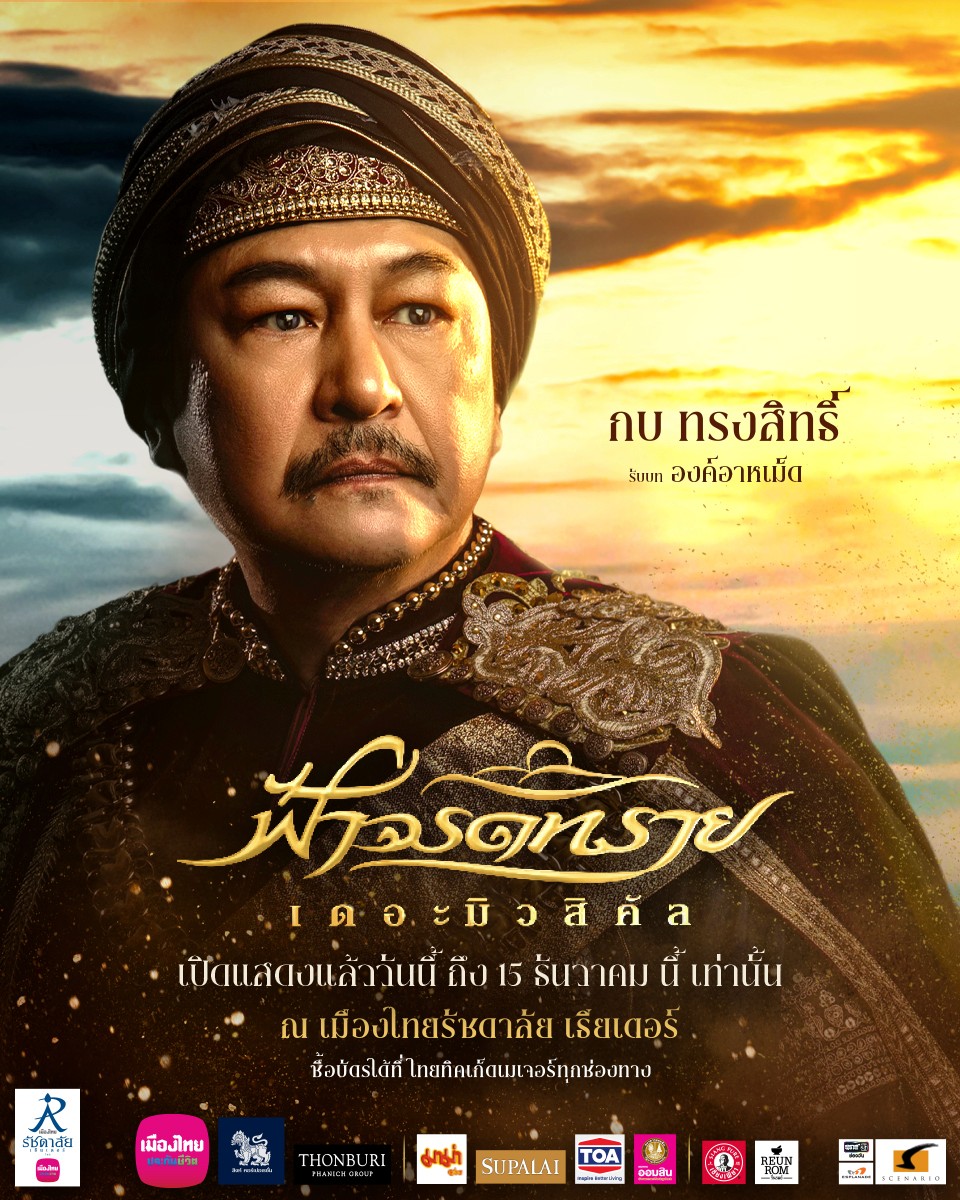
Centre Stage: Khun Kob Songsit on Life, Art, and Musical Magic
By Aina Sarita Swartz
คุณกบ ทรงสิทธิ์ กับชีวิต ศิลปะ และมนต์เสน่ห์ของละครเพลง
โดย ไอน่า สริตา สวอร์ทล์
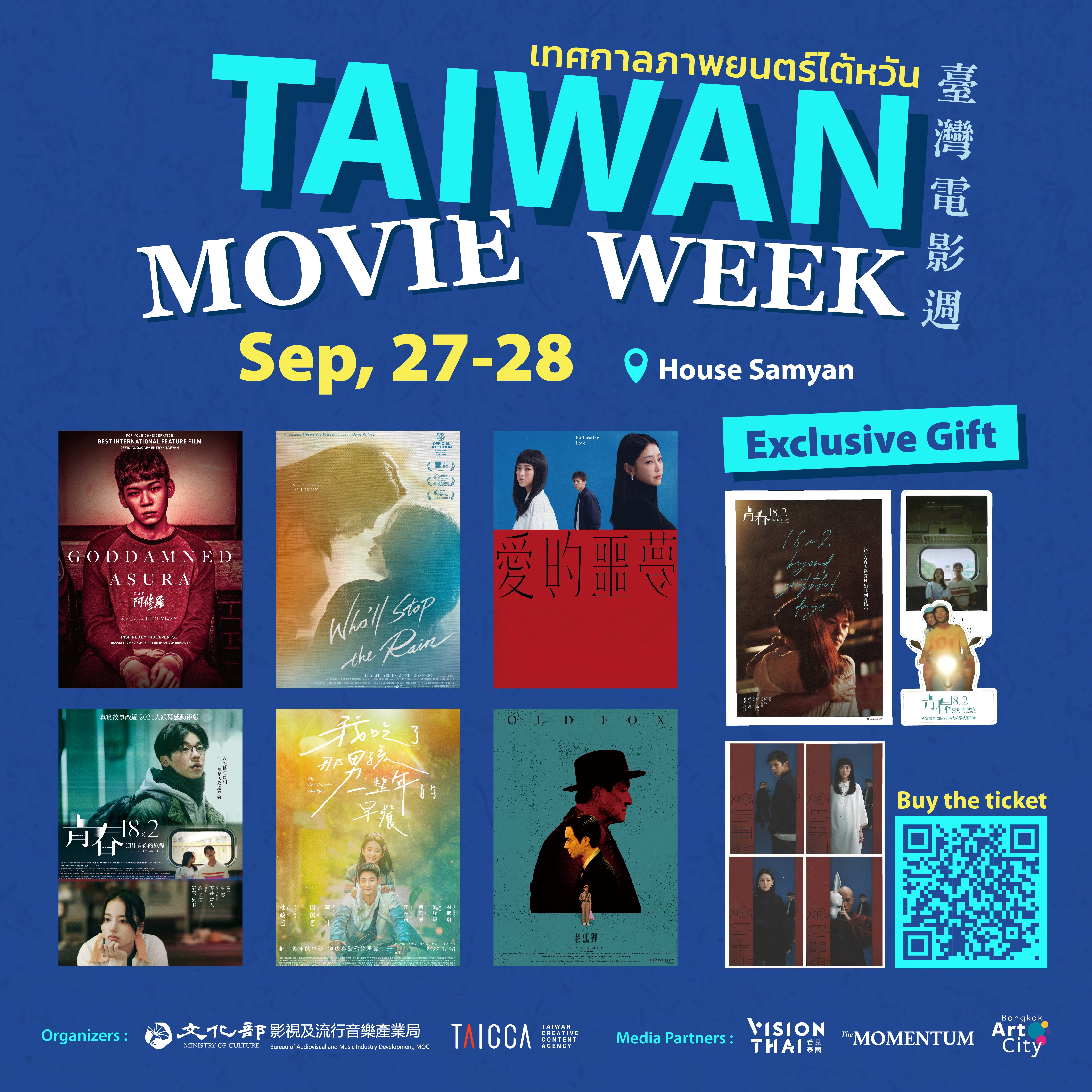
Unlocking the Secrets Behind Taiwan's Film Success with the Creative Forces Behind Its Global Sensation
ถอดรหัสความสำเร็จหนังไต้หวันกับผู้ที่อยู่เบื้องหลังความสนุกป่วนโลก
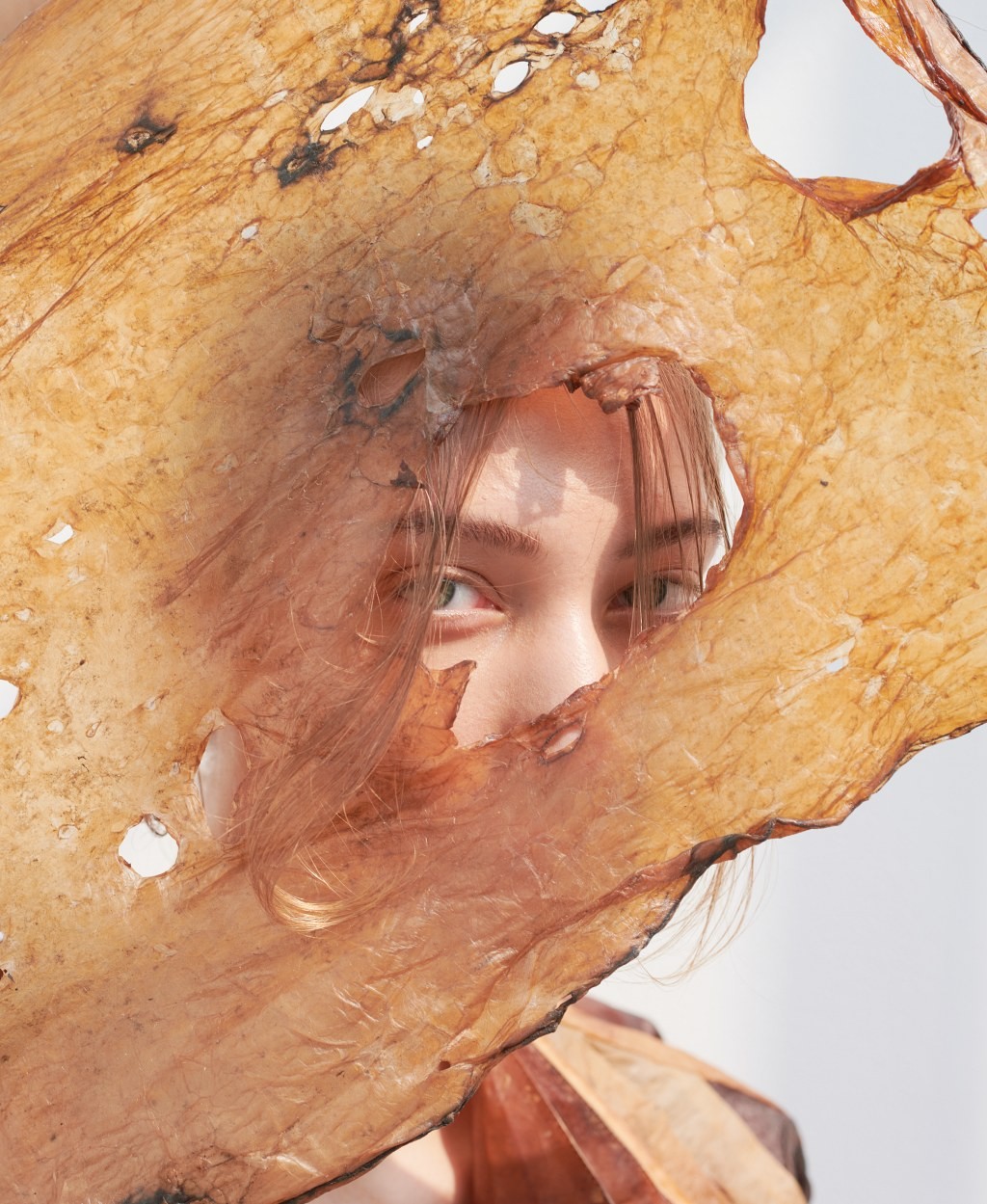
Creating Innovative Textile Substitutes from the Use of ‘Soil’
Text by Dr. Khajornsak Nakpan
การสร้างสรรค์นวัตกรรมวัสดุสิ่งทอทดแทนจากการใช้ “ดิน”
โดย ดร. ขจรศักต์ นาคปาน

Bangkok with Elle
Elle
Bangkok with Elle
Elle

Photo Essay BAC x RPST
Words by RPST & BAC EDITORIAL
Photo Essay BAC x RPST
โดย RPST และ BAC EDITORIAL